Tarot & Stars
My Favourite Tarot Decks (So Far)
Some links in this post are affiliate links, at no extra cost to you.
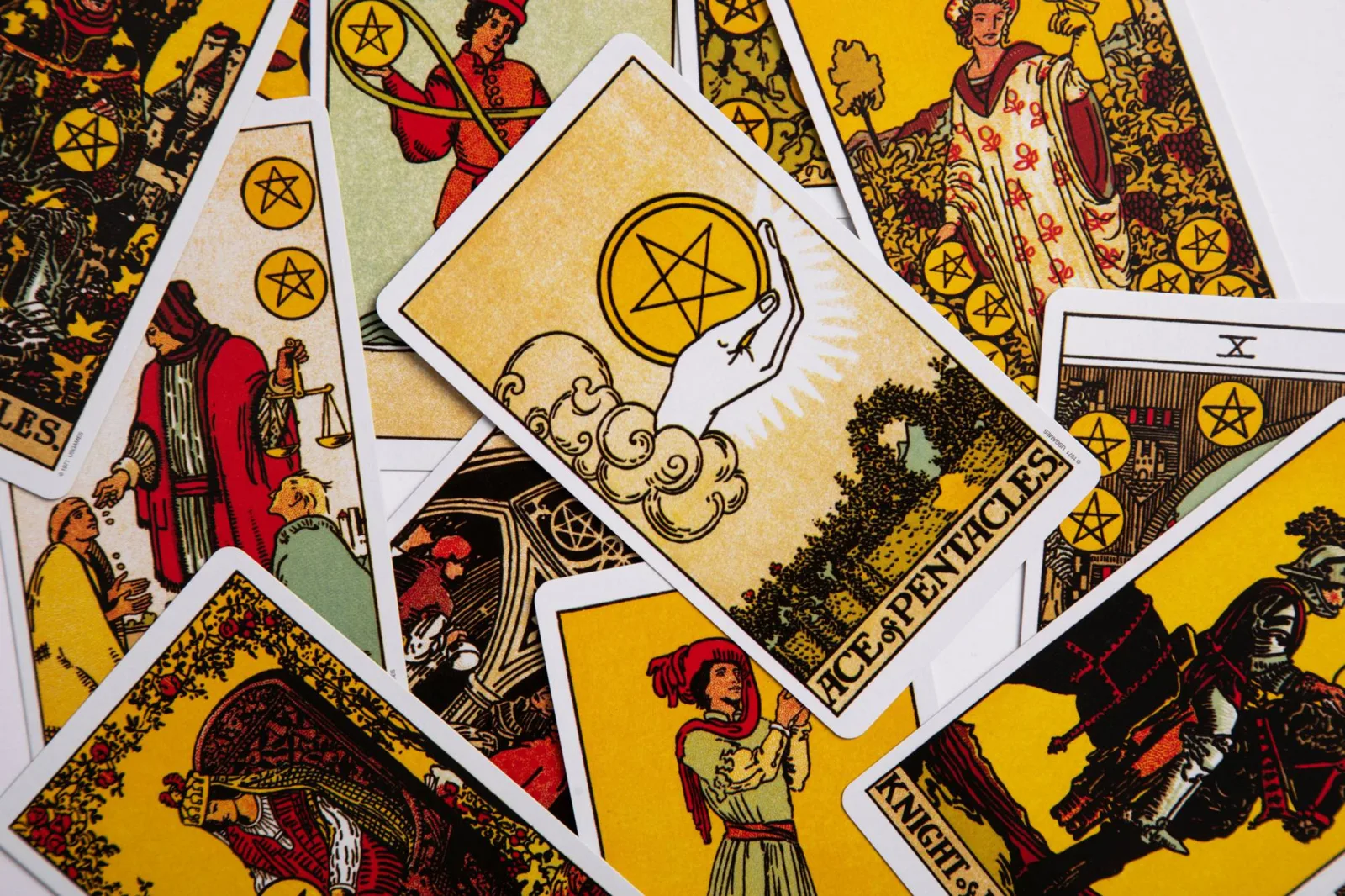
Tarot has become one of my favourite quiet rituals. Shuffling a deck, pulling a card and sitting with what it brings up is my way of slowing down and checking in with myself. Over time I have collected a few decks, and each one has its own personality. Some are dreamy and golden, some are cozy and playful, and one is beautifully dark.
These are my favourite tarot decks so far, what makes each one special, and who I think it suits. If you are looking for your first deck, or a new one to add to your collection, I hope this helps you find the one that feels like yours.
How to Choose a Tarot Deck
The most important thing is simple: choose a deck whose art speaks to you. You will be looking at these cards a lot, and the images are what spark your intuition. A few other things are worth knowing before you buy:
- Rider-Waite-Smith style or not. Most modern decks follow the classic Rider-Waite-Smith system, with fully illustrated scenes on every card. These are the easiest to learn with, because almost every beginner book and guide is based on them.
- The guidebook. Some decks come with a tiny booklet, others with a full book. If you are new to tarot, a good guidebook makes learning much easier.
- Card size and feel. Larger cards show more detail but can be harder to shuffle in small hands. Gilded or foil edges look beautiful, but can be stiffer at first.
My Favourite Decks
1. Golden Art Nouveau Tarot
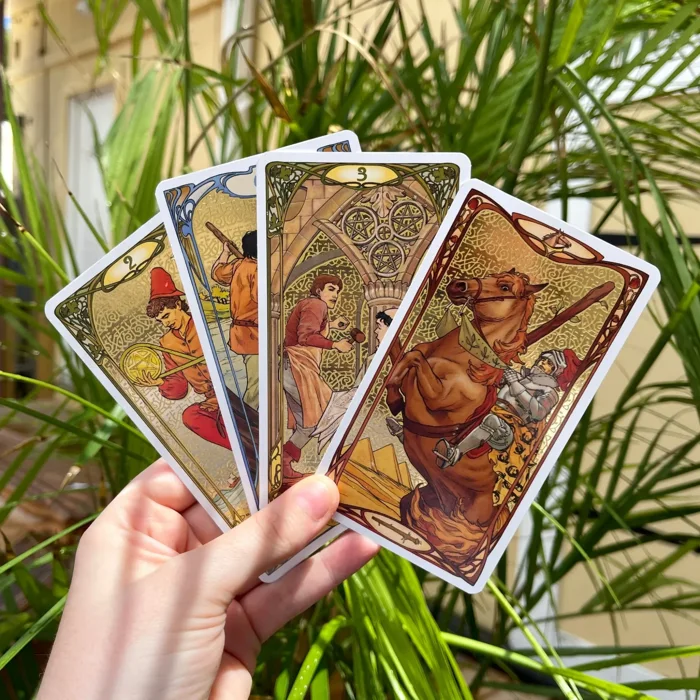
This was one of the first tarot decks I ever bought, and it is still my favourite. If I had to describe it in one word, it would be golden. The Golden Art Nouveau Tarot is inspired by the Art Nouveau movement and artists like Alphonse Mucha, so every card is full of flowing hair, flowers, soft curves and delicate frames. The gold details catch the light when you lay out a spread, and it honestly feels like reading with tiny pieces of art.
What makes it practical as well as pretty is that it follows the classic Rider-Waite-Smith structure. The scenes are familiar, so if you already know the traditional meanings you can read with it straight away, and if you are learning, the imagery matches most beginner books. The colours are warm and soft, which makes even the harder cards feel gentle.
Best for: anyone who loves romantic, elegant art and wants a deck that looks as beautiful as it reads.
2. The Light Seer's Tarot
The Light Seer's Tarot by Chris-Anne is one of the most loved modern decks, and it is easy to see why. The art feels warm, bohemian and real, with people and moments that look like they belong in today's world rather than a medieval painting. The colours are rich, and many cards are full of light, nature and movement.
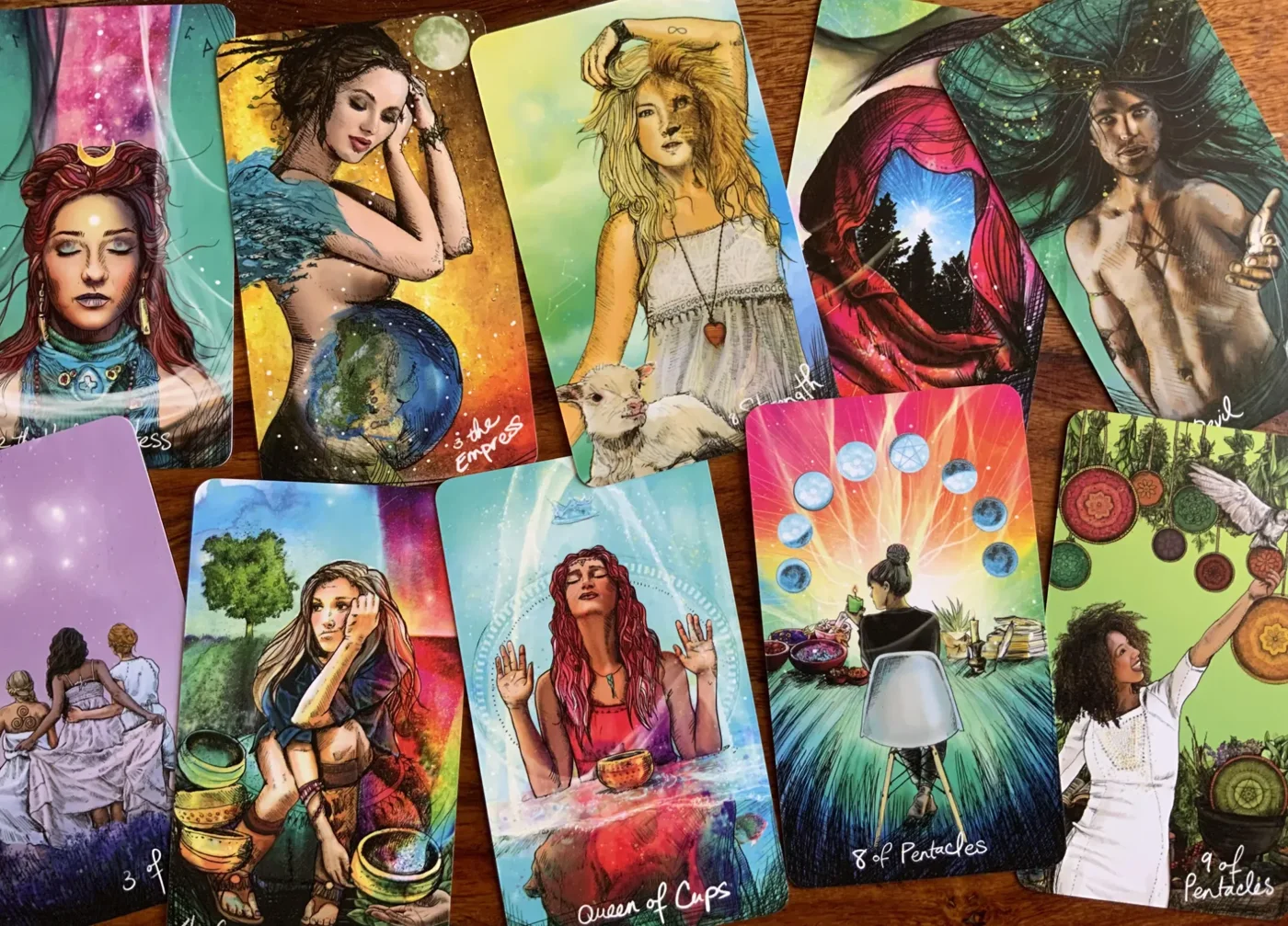
The guidebook is one of my favourite parts. It looks at each card from a gentle, self-reflective angle, including the "light" and "shadow" side of every card, which makes readings feel less like fortune telling and more like a conversation with yourself. If you want a deck that helps you journal and reflect, this one is wonderful.
Best for: beginners, and anyone who wants a modern, intuitive deck with a thoughtful guidebook.
3. Everyday Witch Tarot
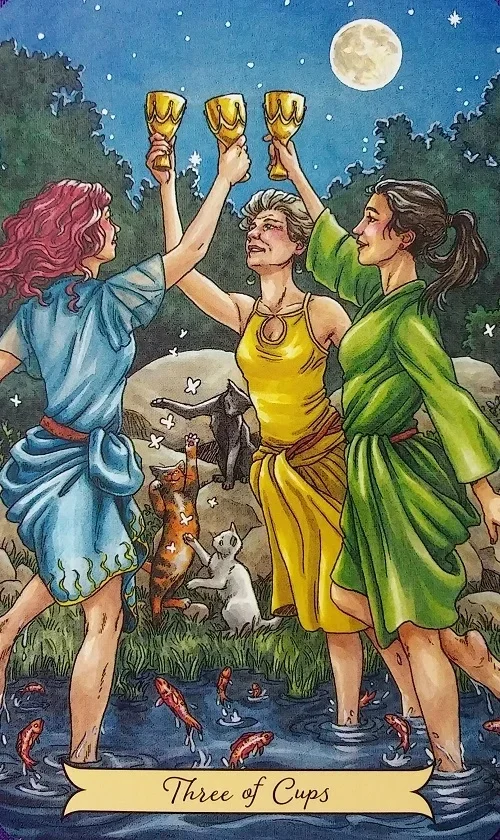
This is my coziest deck. The Everyday Witch Tarot, written by Deborah Blake and illustrated by Elisabeth Alba, shows witches going about everyday life: brewing tea, reading, gardening and hanging out with their cats. There are little touches of humour everywhere, and the whole deck feels warm and friendly.
It still follows the classic Rider-Waite-Smith meanings, so it is easy to learn, but the cheerful art takes the scary edge off cards like Death or The Tower. When I want a light, comforting reading, especially on a slow evening with a candle, this is the deck I reach for.
Best for: anyone who wants a warm, playful deck. It also makes a lovely gift for a friend who is curious about tarot.
4. Wheel of the Year Tarot
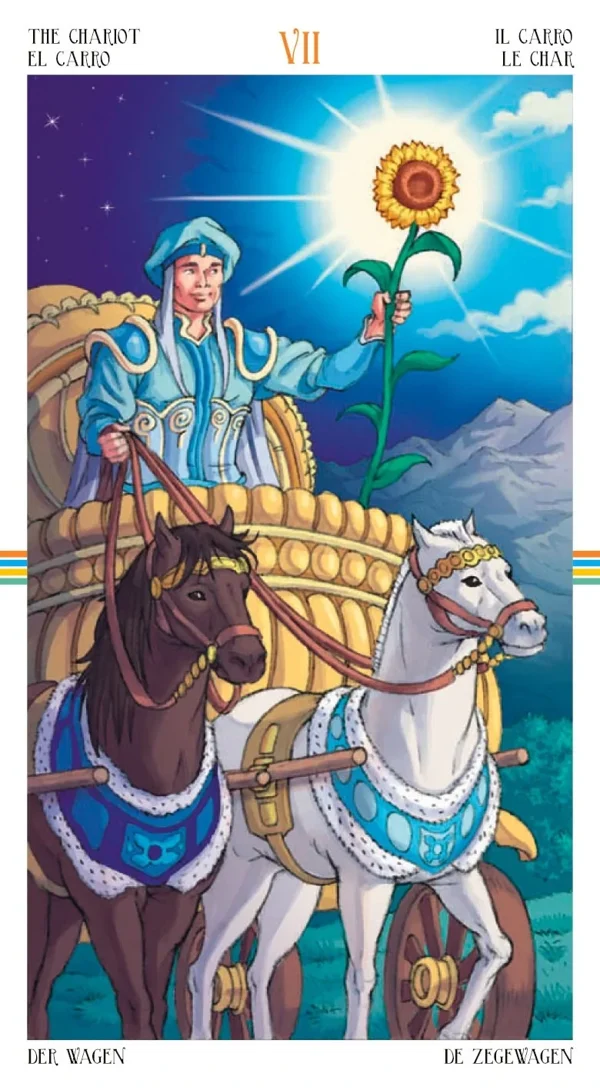
The Wheel of the Year Tarot follows the turning of the seasons and the eight traditional festivals of the pagan year, from Yule and Imbolc in winter to Beltane in spring and Samhain in autumn. As you move through the deck, the scenes change from snowy forests to blooming meadows and golden harvests.
I love using it to connect my readings to what is happening in nature. A reading in the middle of winter feels different from one at the height of summer, and this deck makes that feel intentional. It is a beautiful, grounding deck for slowing down and paying attention to the rhythm of the year.
Best for: anyone who loves seasonal rituals, nature and slower, more grounded readings.
5. Deviant Moon Tarot
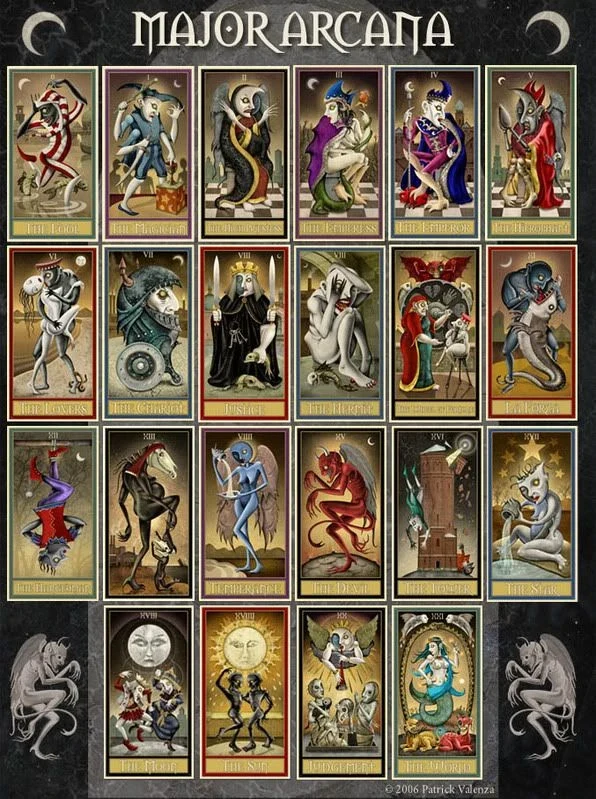
Every collection needs a little darkness, and mine comes from the Deviant Moon Tarot by Patrick Valenza. Its style is surreal and moonlit: figures with crescent-moon faces, strange architecture and eerie, dreamlike landscapes. It is unusual, a little haunting and completely unforgettable.
Because the art moves further away from the traditional images, it can take a little more time to learn. But that is also what makes it so powerful. The strange scenes pull you into your intuition, and readings with this deck often feel deep and intense. It is the deck I reach for when I want to dig into something honestly.
Best for: lovers of gothic, surreal art. Probably not the easiest first deck, but an amazing second or third.
I Also Bought the Book
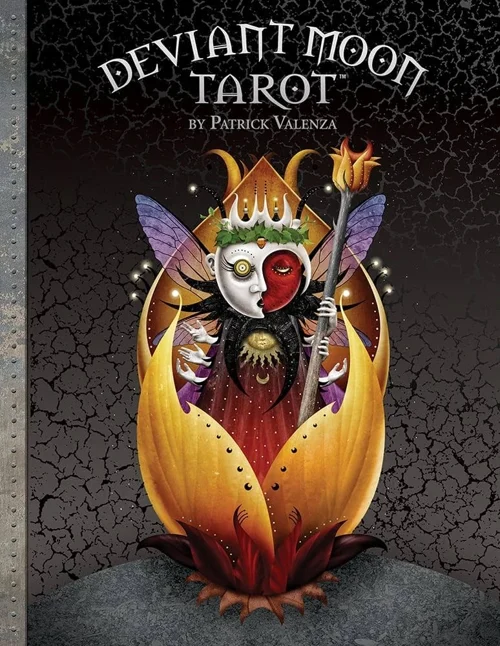
Because this deck is so different from the traditional images, I also bought the companion Deviant Moon Tarot book by Patrick Valenza, and I am so glad I did. It goes through every card in detail and shares the stories and inspiration behind the strange, dreamlike art, so the symbols that seemed confusing at first suddenly make sense.
If you are drawn to the Deviant Moon but worried it might be hard to read, the book makes a huge difference. It turns the deck from something beautiful but mysterious into something you can really understand and connect with, and it is a gorgeous book to keep on your shelf too.
6. The Rider Tarot Deck (the Classic)
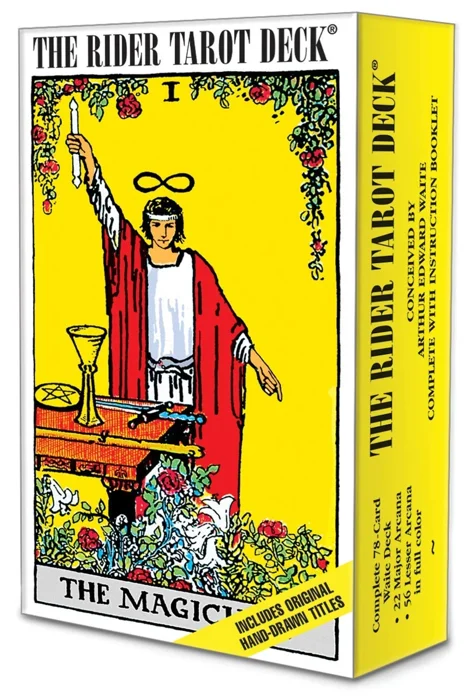
Finally, the deck that started it all. My classic deck is The Rider Tarot Deck by U.S. Games. It is the original Rider-Waite-Smith deck, drawn by Pamela Colman Smith and first published in 1909, and it is the foundation that almost every modern deck is built on. The bright yellow skies, simple symbols and clear scenes are instantly recognisable.
I think every reader should own one. Whenever I feel unsure about a card in one of my other decks, I come back to the classic version to see the original symbolism. It is also the best deck for learning, because almost every tarot book, course and guide uses its images.
Best for: anyone learning tarot, and anyone who wants a reliable reference deck.
Which Deck Should You Start With?
- For a first deck: The Light Seer's Tarot or The Rider Tarot Deck.
- For dreamy, beautiful art: the Golden Art Nouveau Tarot.
- For something cozy and fun: the Everyday Witch Tarot.
- For seasonal rituals: the Wheel of the Year Tarot.
- For something dark and different: the Deviant Moon Tarot.
A Simple Way to Start Reading
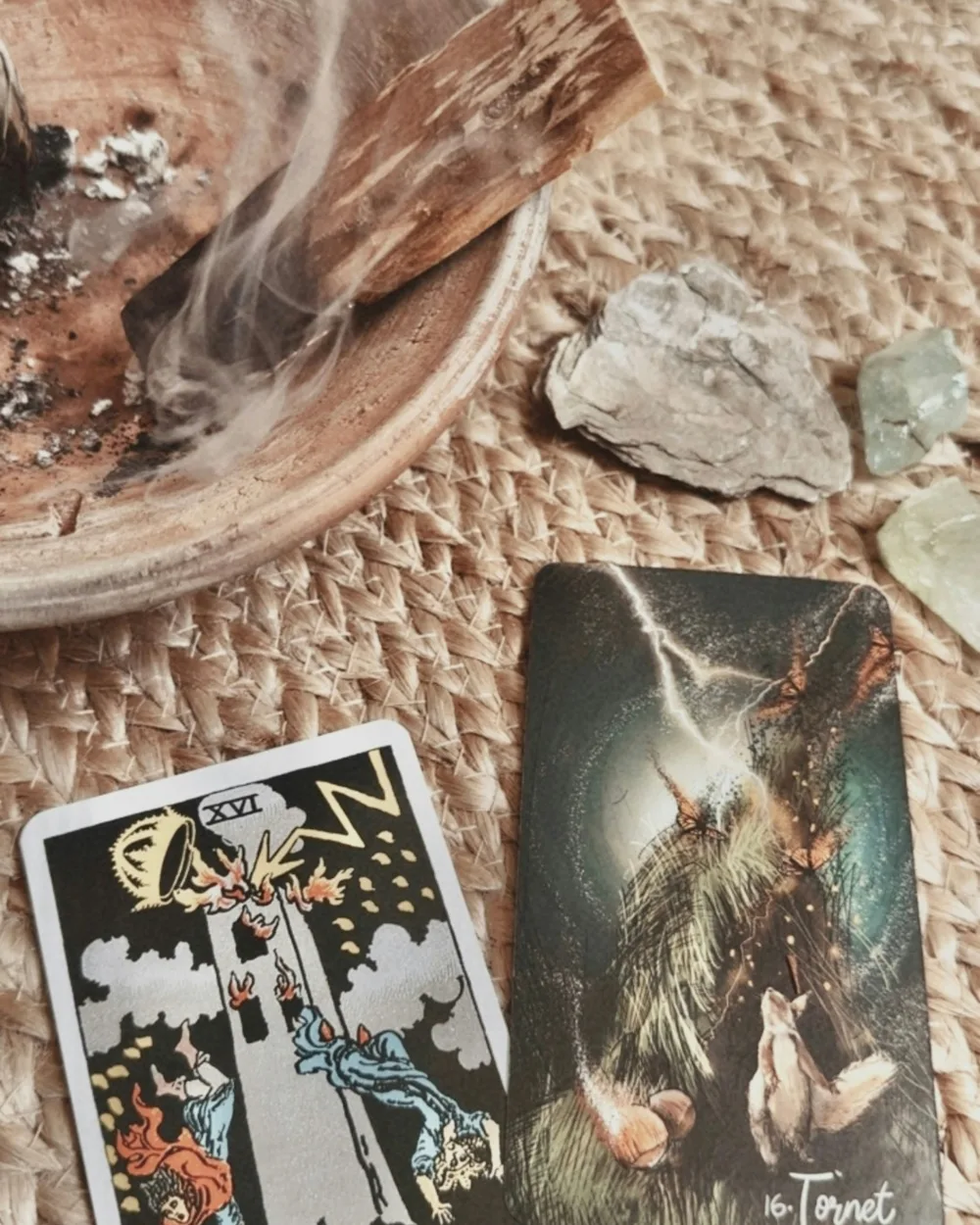
You do not need to memorise all 78 cards before you begin. Try pulling one card each morning and asking, "What do I need to know today?" Look at the picture before you read the meaning: notice the colours, the people and how the card makes you feel. Then read the guidebook and write a sentence or two in a journal. Over a few weeks, you will be surprised how much you remember.
Caring for Your Decks
Keep each deck in its box or a soft pouch so the edges stay clean, shuffle gently, and store them somewhere you love. Many readers like to keep a crystal or a sprig of dried flowers with their cards, and a small candle can make a reading feel like a real ritual.
The Bottom Line
The right tarot deck is the one that makes you want to pick it up. Start with a deck whose art you love, take your time learning it, and let your collection grow with you. These six decks each bring something different to my readings, and I hope one of them finds its way to you too.
Tell me your favourite deck on Instagram at @_darya333_.
Tarot is a tool for reflection and fun. It is not a substitute for professional advice about your health, money or relationships.
Some links in this post are affiliate links, at no extra cost to you.